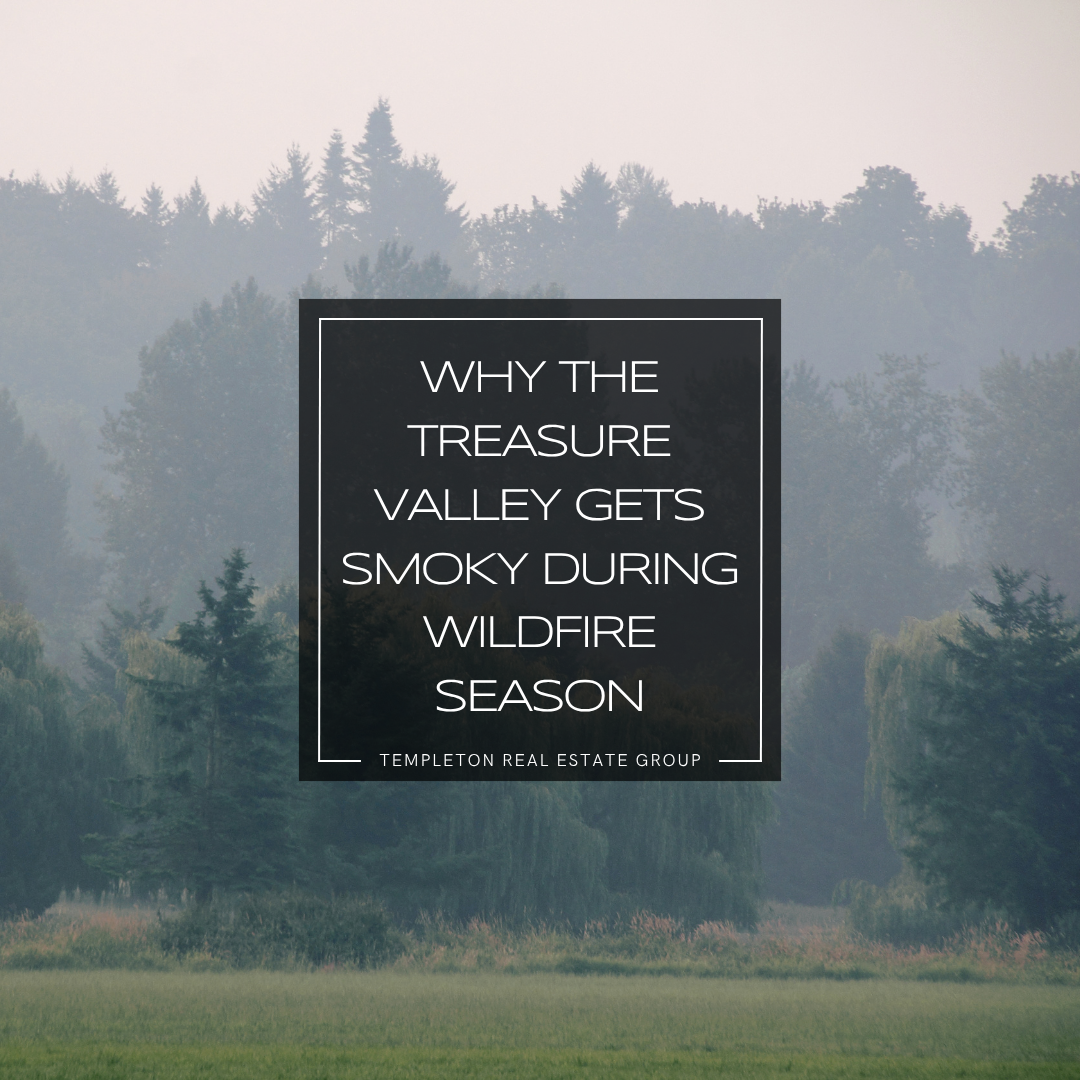
If you've spent any time in the Treasure Valley during the summer, you've probably experienced it. One day the foothills are crystal clear. The next, the Boise skyline is hidden behind a blanket of haze, and everyone is checking the Air Quality Index before heading outside.
For people considering a move to the area, wildfire smoke is often one of the first questions that comes up. Is Boise always like this? Is the smoke coming from nearby? How long does it usually last?
Like many places across the West, the Treasure Valley has a wildfire smoke season. While it's certainly one of the downsides of living here, it isn't a year-round issue, and understanding why it happens helps put those smoky days into perspective.
Why Is Boise So Smoky?
A common misconception is that if Boise is smoky, there must be a wildfire burning nearby.
In reality, that's often not the case.
Much of the smoke that reaches the Treasure Valley travels from large fires burning elsewhere in Idaho, Oregon, Washington, Northern California, and occasionally Canada. Depending on wind direction and weather patterns, smoke can travel hundreds of miles before settling over southwest Idaho.
The valley's geography plays a role too. Because Boise sits in a broad valley bordered by higher elevations, smoke can linger when winds are light, especially during periods of high pressure. It isn't unusual for conditions to change dramatically within a day or two as weather systems move through.
What Causes Poor Air Quality in the Treasure Valley?
Wildfire smoke is by far the biggest contributor to poor summer air quality in the Treasure Valley.
Smoke contains tiny particles known as PM2.5, which are small enough to be inhaled deep into the lungs. When enough of these particles accumulate in the air, visibility decreases and the Air Quality Index (AQI) rises.
The amount of smoke we experience depends on several factors, including:
- The size and location of active wildfires
- Wind direction and speed
- Temperature inversions
- Weather patterns across the western United States
Some summers are relatively clear, while others bring several smoky stretches depending on wildfire activity throughout the region.
When Does Wildfire Smoke Affect Boise?
Most years, wildfire smoke becomes more common in late July and can continue through August and into early September.
How much smoke we experience depends almost entirely on the wildfire season across the West. Some summers pass with only a handful of hazy days. Others bring longer stretches where outdoor activities are worth reconsidering.
That's why every year feels a little different.
Is Boise Air Quality Usually Bad?
No.
For much of the year, Boise enjoys good air quality. The smoky periods people associate with Idaho are generally limited to wildfire season and vary quite a bit from year to year.
When large fires are active around the region, air quality can shift quickly. Some days remain perfectly clear, while others prompt air quality advisories from the Idaho Department of Environmental Quality.
It's one of those things longtime residents keep an eye on during the summer, much like checking the weather forecast.
Understanding the Boise Air Quality Index (AQI)
The Air Quality Index, or AQI, is simply a way to measure how clean or polluted the air is at a given time.
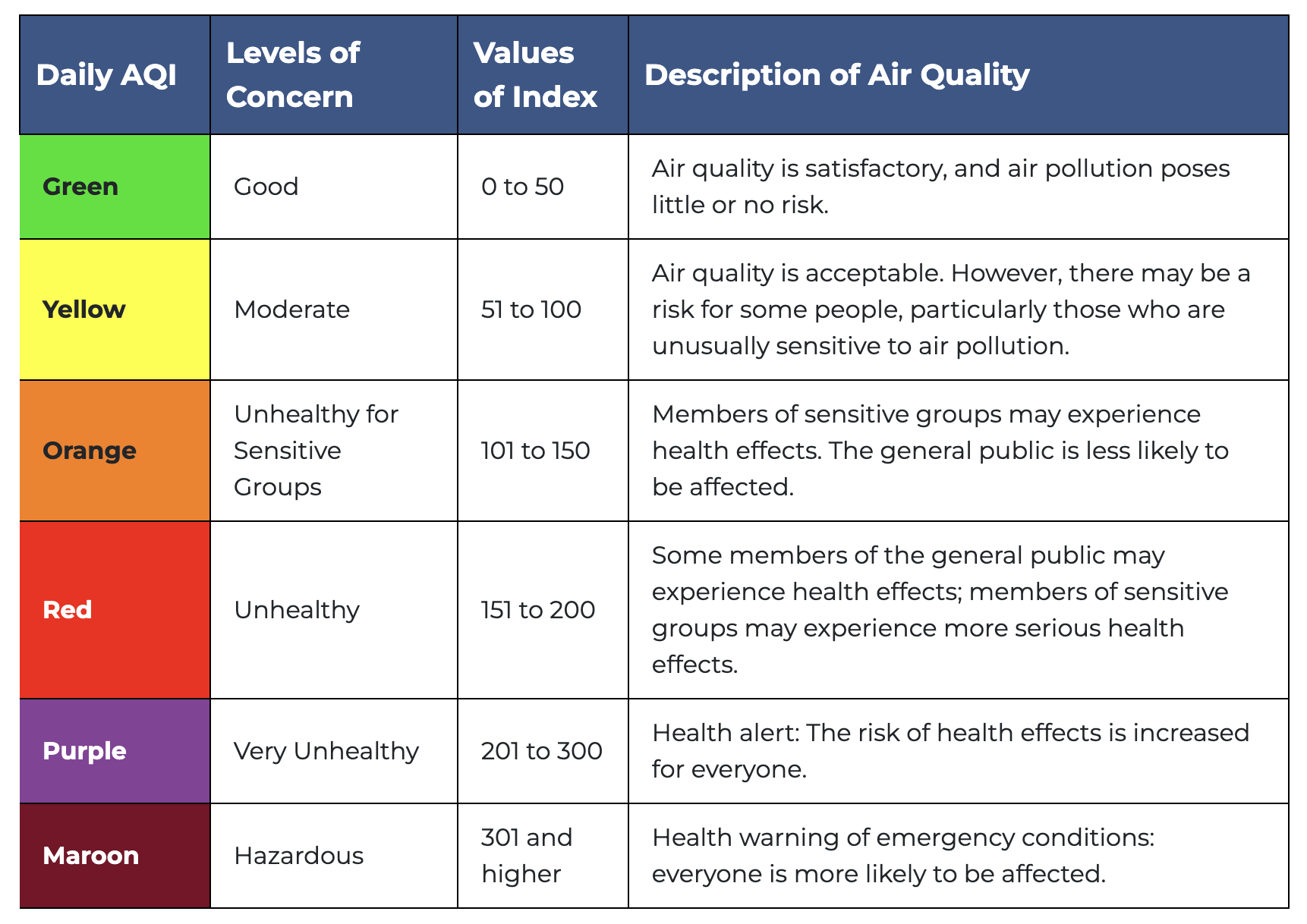
Source: Idaho Department of Environmental Quality (DEQ). Air Quality Index (AQI).
Many Treasure Valley residents check the AQI before planning a hike, heading out on a bike ride, floating the Boise River, or spending the afternoon at the park.
What Do Boise Residents Do During Smoky Days?
Most people don't stop their normal routines altogether, they simply adjust them until conditions improve.
Some of the most common ways locals handle smoky days include:
- Keeping windows and doors closed
- Running HEPA air purifiers indoors
- Replacing HVAC filters more frequently during wildfire season
- Moving workouts indoors
- Limiting prolonged outdoor activity when the AQI reaches unhealthy levels
- Waiting for conditions to improve before hiking, biking, or floating the river
If you'd rather stay inside while the smoke clears, here are a few indoor spots around the Treasure Valley to check out:
- Idaho State Museum
- Aquarium of Boise
- Discovery Center of Idaho
- Scheels
- Leap Years Toddler Playground
- Fly High Adventure Park
- Wahooz Fun Zone
- The list goes on, with everything from museums and climbing gyms to local shops, coffee houses, and family-friendly attractions.
One thing newcomers often notice is how quickly conditions can change. A shift in the wind can make a significant difference, and a smoky morning doesn't always mean the entire week will stay that way!
Does Wildfire Smoke Affect Living in Boise?
If you're moving to Boise from another part of the country, wildfire smoke is worth understanding, but it's also worth putting into perspective.
Most years, smoke is concentrated during part of the summer, while the rest of the year offers clean air and easy access to the outdoors.
People continue relocating to the Treasure Valley because of everything the region has to offer: four distinct seasons, access to hiking and skiing, the Boise River Greenbelt, a growing economy, and communities that consistently rank among the most desirable places to live in Idaho.
Like winter snow in colder climates or hurricane season along the coast, wildfire smoke has become one of the seasonal realities people plan around rather than a reason to avoid the area altogether.
Where to Check Boise Air Quality Before Heading Outside
Conditions can change throughout the day, especially during wildfire season.
Before spending extended time outdoors, many Treasure Valley residents check:
• Idaho Department of Environmental Quality (DEQ)
• Watch Duty for wildfire updates and fire maps
• Local weather forecasts
Insider Tip: Treasure Valley Weather HQ
Ask longtime Treasure Valley residents where they get weather updates, and there's a good chance Treasure Valley Weather HQ will come up.
The locally run Facebook page has built a loyal following by breaking down weather events in plain language and sharing timely updates on wildfire smoke, incoming weather systems, wind shifts, and changing air quality. During wildfire season, many residents check it alongside official forecasts to better understand what they're seeing outside and what conditions may look like over the next day or two.
While official agencies like DEQ and AirNow should always be your primary source for health advisories, Treasure Valley Weather HQ has become one of those trusted local resources many residents check daily.
Frequently Asked Questions About Boise Air Quality
Why is Boise so smoky today?
Most smoky days are caused by wildfire smoke drifting into the Treasure Valley from fires burning elsewhere in Idaho, Oregon, Washington, Northern California, or Canada. It doesn't necessarily mean there's a wildfire burning near Boise.
Why is the Treasure Valley so smoky?
The Treasure Valley's location makes it easier for smoke to settle here when weather conditions are calm. Winds can transport smoke hundreds of miles from active wildfires before it reaches southwest Idaho.
What causes poor air quality in Boise?
Wildfire smoke is the primary cause of poor summer air quality in Boise. Fine particulate matter from smoke increases the Air Quality Index and can reduce visibility throughout the valley.
What months have the worst air quality in Boise?
Late July through early September is typically when wildfire smoke is most common, although every wildfire season is different.
Is Boise air quality bad all summer?
No. While smoke can occur during wildfire season, many summer days still have good air quality. Conditions depend on regional wildfire activity and weather patterns.
Does Boise have worse air quality than other cities?
Not necessarily. During wildfire season, many communities throughout the western United States experience periods of smoky air. Outside of wildfire season, Boise generally enjoys good air quality.
Is it safe to exercise outside when Boise is smoky?
That depends on the Air Quality Index. When the AQI reaches unhealthy levels, it's generally recommended to reduce prolonged or strenuous outdoor activity, especially for children, older adults, pregnant women, and people with asthma, heart disease, or other respiratory conditions.
Does wildfire smoke affect home values in Boise?
There isn't evidence that seasonal wildfire smoke has a meaningful impact on home values in the Treasure Valley. Buyers generally understand it's a seasonal condition that affects much of the western United States.
Should wildfire smoke stop me from moving to Boise?
For most people, it doesn't. It's worth understanding before you move, but most residents consider it a seasonal tradeoff rather than a defining characteristic of life in the Treasure Valley.
How can I improve indoor air quality during wildfire smoke?
Keep windows and doors closed when smoke levels are high, run a HEPA air purifier if possible, replace HVAC filters regularly, and limit bringing outdoor air inside until conditions improve.
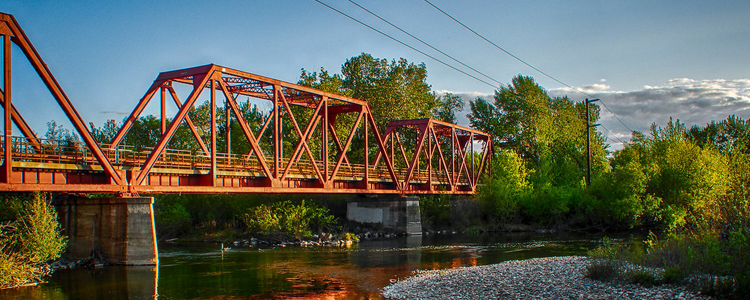
Blue skies always return.
And there's a reason so many people choose to call the Treasure Valley home.
If you're wondering what it's really like to live in Boise, Eagle, Meridian, Star, or the surrounding communities, we have been helping buyers navigate the Treasure Valley since 1999. Whether you're planning a move or simply want local insight, we're here to help.
📞 Call or Text 208-473-2203 📧 Info@TempletonRealEstateGroup.com