



If you are getting ready to sell, the improvements that add the most value are often not the biggest ones. A new garage door or front door, fresh paint, and repairs that make the home feel well cared for can do more for a sale than a new kitchen or bathroom. They cost less, can usually be completed quickly, and affect how buyers see the home from the first listing photo.
There is no single list that works for every house. What is worth doing depends on your home's condition, what nearby homes offer, and what buyers at your price point have come to expect. National research gives sellers a useful starting point, but the decision still needs to make sense for the individual home and the local market.
Home Improvements That Add the Most Value Before Selling
When sellers ask where to put their money before listing, the answer is usually more modest than they expect. In many cases, it makes sense to start with the things buyers will notice right away, along with repairs they would otherwise have to take on themselves.
National research supports that approach. Both the 2025 Cost vs. Value Report from Zonda and the 2025 Remodeling Impact Report from the National Association of Realtors and the National Association of the Remodeling Industry place front door and garage door replacements among the projects that recover the most of their cost at sale. The studies measure value differently, but both show that targeted updates can make more financial sense before a sale than taking on a large remodel.

Start With Curb Appeal and First Impressions
Most buyers will see your home online before they ever see it in person, which makes the exterior part of the first impression. A dented garage door, faded front door, or peeling trim can stand out in listing photos and make buyers wonder what other maintenance may have been put off.
Replacing a garage door or entry door is generally faster and less expensive than remodeling an interior room, but replacement is not always necessary. Fresh paint on the door and trim, cleaned-up planting beds, and working exterior lights can go a long way when the existing materials are still in good condition. Larger projects such as new siding or stone veneer may also help, particularly when the existing exterior is worn or damaged.
Make Repairs Before Cosmetic Upgrades
Before spending money on finishes, take care of the things that are likely to come up during a buyer's inspection. A roof leak, dripping faucet, sticking door, or broken window seal may not be an exciting improvement, but those items can become much more important once a buyer is under contract.
A long inspection report can lead to repair requests, credits, or another conversation about price. Taking care of known issues before listing can make the home feel better maintained and reduce the number of problems that have to be addressed later in the transaction.
Fresh Paint Is Still One of the Best-Value Updates
Painting the entire home was the project Realtors most often recommended sellers complete before listing, according to the NAR report. It is also one of the simpler ways to make an interior feel cleaner and more current without changing the home itself.
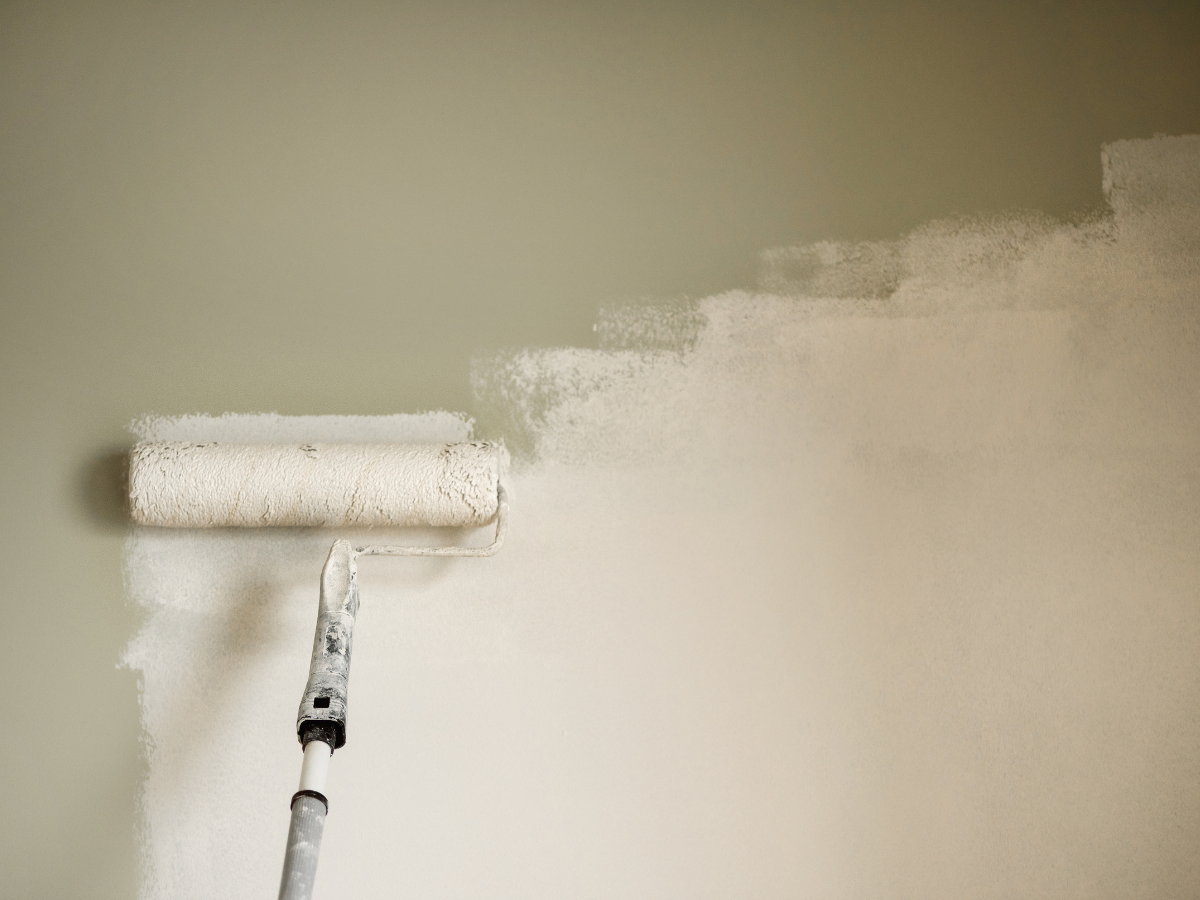
Fresh, neutral paint can cover years of scuffs, photograph well, and make it easier for buyers to picture their own furniture and belongings in the space. Not every room needs to be repainted simply because the home is going on the market, but worn walls or highly specific colors are worth looking at before listing.
Refresh the Kitchen Instead of Remodeling It
A dated kitchen can affect how buyers see a home, but that does not necessarily mean it needs to be completely remodeled before you sell. If the kitchen is functional, smaller changes such as painted cabinets, new hardware, updated lighting, or selectively replacing counters and appliances may be enough to bring it up to date.
That approach also lines up with the Cost vs. Value data. A minor kitchen update was the only interior project among the top five, while a full renovation recovered considerably less of its cost. For most sellers, the question is not how to make the kitchen new. It is whether the existing kitchen is likely to hold the home back and what it would reasonably take to address that before listing.
Don't Overlook Low-Cost Improvements
Not everything that helps a home show well requires a contractor. Deep cleaning, reducing clutter, replacing burned-out bulbs, washing windows, and trimming overgrown landscaping require more time than money but can still change how the property feels during a showing.
These smaller jobs are easy to overlook when you are thinking about renovations, but buyers notice whether a home looks clean and cared for. Taking care of the basics first also makes it easier to see whether more expensive work is actually necessary.
Home Improvements That May Not Pay Off Before Selling
The projects sellers are most tempted to take on before listing are sometimes the hardest to justify financially. A full kitchen remodel, bathroom gut job, or addition can take months and involve a significant amount of money, and the finished project may reflect choices that are not especially important to the next owner.
The NAR report estimated that a complete kitchen renovation recovers roughly 60% of its cost and a bathroom renovation about half. Highly personal improvements can be difficult to recover for a similar reason. A home theater, custom built-in, or distinctive tile may be something you enjoy while living in the home without adding an equivalent amount to what a buyer is willing to pay.
An outdated kitchen or bathroom should not automatically be ignored, either. If the condition of a room is noticeably affecting how the home compares with others nearby, updating it may make sense. The important question is how far to go. Spending $15,000 to correct issues that buyers are likely to notice is a very different decision from spending $75,000 on a renovation shortly before putting the home on the market.
What Home Improvements Add Value in Boise?
National averages are useful for understanding broader trends, but they cannot tell you exactly what makes sense for a particular Boise home. The age of the property, its neighborhood, its price range, and what comparable homes offer can all change which projects are worth considering.
Compare Your Home With Recent Neighborhood Sales
Buyers are not looking at your home in isolation. They are comparing it with other homes currently for sale and with the choices available in the same general price range.
If most comparable homes in your neighborhood have updated kitchens, for example, an original kitchen may affect how your home competes. In a neighborhood where similar homes are selling successfully without extensive renovations, spending heavily on one may be harder to justify. Looking closely at recent nearby sales can help establish what buyers are actually paying for rather than relying only on national averages.
Consider the Age and Style of Your Home
A 1920s bungalow in the North End and a newer home in Harris Ranch call for different priorities. The same is true for a downtown condo or townhome compared with a single-family home. With an older property, buyers may pay close attention to the roof, electrical system, windows, and overall condition in addition to the finishes. With newer homes, condos, and townhomes, condition may be less of a concern, while finishes, HOA requirements, and how the home compares with similar properties can carry more weight.
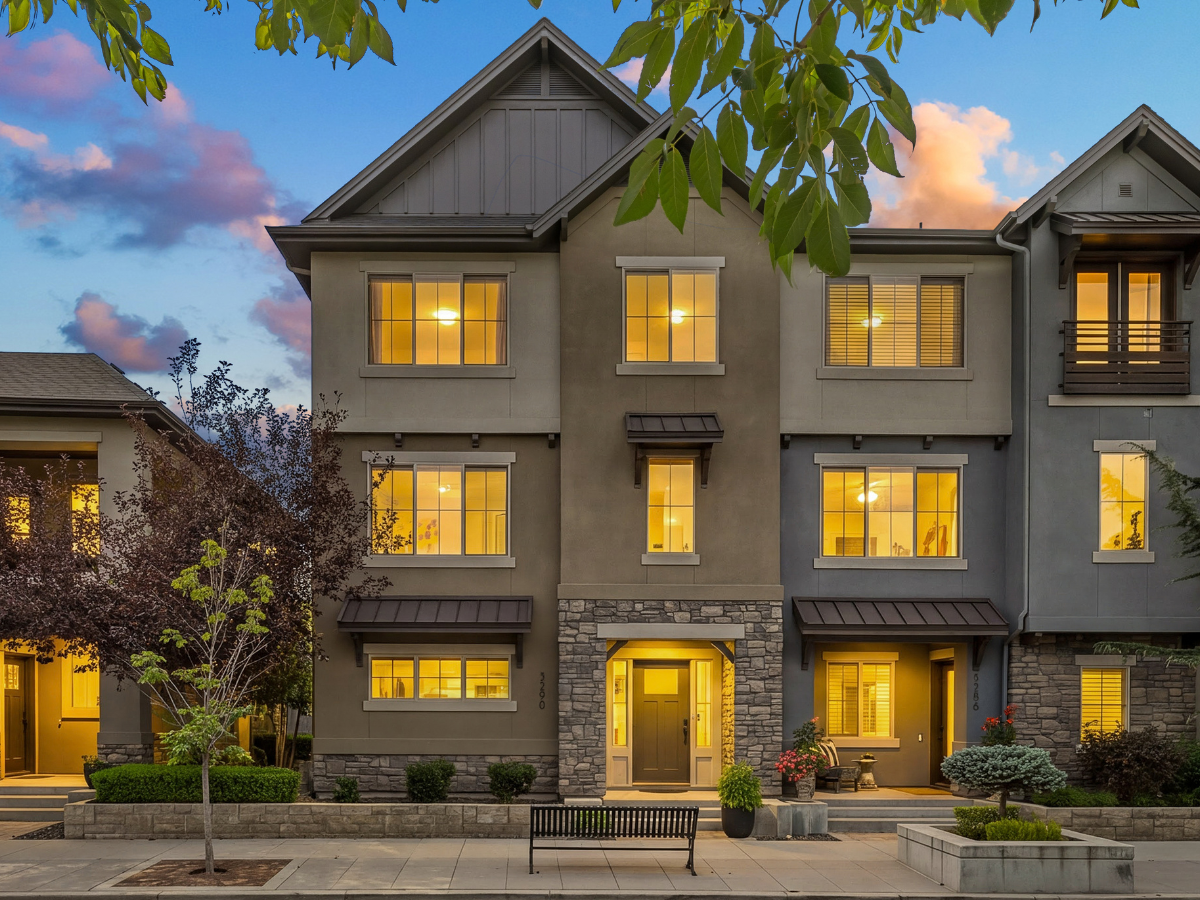
The character of the home matters too. Updating an older property does not have to mean removing everything that makes it distinctive. The goal is to address the parts that may concern buyers while making choices that fit the house and the neighborhood.
Check Historic District and HOA Requirements
Parts of the North End, East End, and Warm Springs fall within Boise historic districts, where certain exterior changes may need city review before work begins. In newer subdivisions, HOA design standards may affect doors, siding, exterior colors, decks, and other visible changes.
It is worth checking those requirements early, particularly if you are working toward a specific listing date. An approval process can affect both what you are allowed to change and how long the project will take.
Check Boise Permit Requirements Before Starting Work
The City of Boise requires building permits for many common residential projects. According to the City of Boise Homeowner's Guide to Residential Construction, that includes work such as new or resized window and door openings and decks more than 12 inches above grade.
Permit requirements vary by project, so confirm what is required before work begins. Unpermitted work can create questions later during an inspection or appraisal, which is not something most sellers want to sort out in the middle of a transaction.
How to Decide What to Renovate Before Selling Your Boise Home
If you are planning to sell within the next year or two, it helps to look at each potential project in the context of the sale rather than simply asking whether the improvement would make the home nicer.
1. Will buyers notice it in photos or at the first showing?
Curb appeal projects and visible repairs affect a buyer's first impression. Work hidden behind walls may be less noticeable initially, but it becomes important when leaving it undone is likely to result in an inspection issue.
2. Does it fix a problem or reflect a preference?
Repairing a failing roof or replacing a damaged door solves a problem a buyer would otherwise inherit. A particular tile, countertop, or custom feature is much more subjective. The closer a project gets to personal preference, the harder it can be to assume a buyer will value it the same way you do.
3. How does the cost compare with nearby sales?
Look at what comparable homes have actually sold for and what condition they were in. An improvement that brings your home in line with nearby properties may be easier to justify than one that puts significantly more money into the house than the neighborhood supports.
4. Can it be finished comfortably before you list?
Renovations have a way of taking longer than expected. If a project is likely to run right up against your listing date, consider whether the potential benefit is worth the risk of delays or unfinished work.
5. Would a smaller update accomplish the same thing?
A dated room does not always need to be gutted. Painting cabinets, replacing hardware, changing light fixtures, or making a few targeted repairs may solve the issue for considerably less money.
A pre-listing walkthrough with an agent who knows your neighborhood can help answer these questions before you commit to a project or start calling contractors.
Frequently Asked Questions About Home Improvements Before Selling
What home improvement adds the most value?
Updates buyers see first, particularly garage door and front door replacements, tend to perform well relative to what they cost. Both the Cost vs. Value Report and the NAR Remodeling Impact Report rank door replacements near the top. Fresh paint, needed repairs, and other visible improvements can also be practical investments before a sale.
Is it worth remodeling a kitchen before selling?
A minor kitchen update tends to recover more of its cost than a full renovation. If your kitchen is functional but dated, updating cabinets, hardware, lighting, counters, or appliances may be enough to improve how it shows without taking on a complete remodel right before listing.
Do I need a permit for home improvements in Boise?
Many projects do require permits. The City of Boise requires building permits for work that includes new or resized window and door openings and decks more than 12 inches above grade. Because requirements depend on the specific project, check with the city before work begins.
Should I make improvements or sell my home as is?
It depends on the home's current condition, your budget and timeline, and how it compares with other properties buyers are considering. Some homes benefit from a handful of targeted repairs or cosmetic updates. In other cases, it may make more sense to price the property with the needed work in mind rather than taking on renovations before selling.
Know Which Updates Are Worth It Before You Spend
National studies can point you in the right direction, but they cannot tell you whether your particular kitchen needs updating or whether replacing a bathroom will change what buyers are willing to pay for your home. Those decisions depend on the property, the neighborhood, and what buyers are seeing in competing listings.
Before you call a contractor, Templeton Real Estate Group can walk through your home with you, review recent sales nearby, and help identify where an update may strengthen your position and where the money may be better left unspent. The idea is not to fix everything before the home goes on the market. It is to make informed decisions about the work that is most likely to matter.
Call 208.473.2203 or email Info@TempletonRealEstateGroup.com to schedule a pre-listing walkthrough.